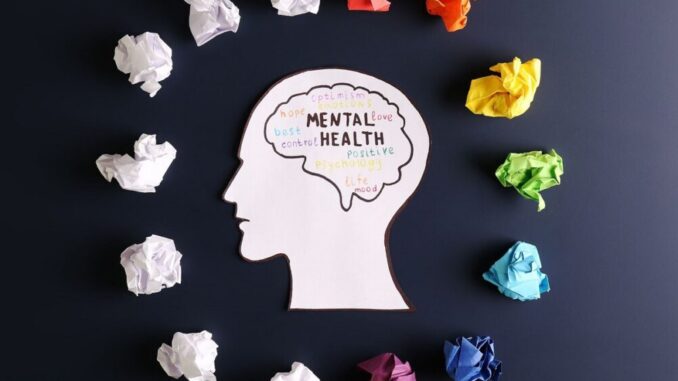
Mental well-being plays a crucial role in how people think, feel, and function on a daily basis. While physical health is often prioritized, mental health is equally important for maintaining balance, productivity, and overall life satisfaction. In a world filled with constant demands and information overload, caring for mental well-being has become more essential than ever.
This article explores why mental well-being matters and how simple daily practices can support a healthier, more balanced life.
Understanding Mental Well-Being
Mental well-being is not merely the absence of stress or negative emotions. It refers to a state in which individuals can cope with daily challenges, maintain positive relationships, and feel a sense of purpose.
Key aspects of mental well-being include:
- Emotional awareness and regulation
- Resilience during difficult situations
- Healthy self-esteem
- Ability to focus and make decisions
Mental well-being supports both personal and professional life.
How Daily Stress Affects Mental Health
Stress is a natural part of life, but chronic stress can negatively impact mental and physical health. Continuous pressure without proper recovery can lead to exhaustion, irritability, and reduced motivation.
Common sources of daily stress include:
- Work responsibilities and deadlines
- Financial concerns
- Social expectations
- Digital overload and constant connectivity
Recognizing stressors is the first step toward managing them effectively.
The Connection Between Mental and Physical Health
Mental and physical health are deeply interconnected. Poor mental health can weaken the immune system, disrupt sleep, and reduce energy levels. Likewise, physical exhaustion can negatively affect mood and focus.
Supporting mental well-being often improves:
- Sleep quality
- Energy and motivation
- Concentration and memory
- Overall physical resilience
A holistic approach to health considers both body and mind.
Building Emotional Awareness
Emotional awareness allows individuals to recognize and understand their feelings instead of suppressing them. This skill helps prevent emotional buildup and burnout.
Ways to develop emotional awareness include:
- Reflecting on emotions throughout the day
- Journaling thoughts and feelings
- Pausing before reacting in stressful situations
- Practicing self-compassion
Awareness creates space for healthier responses.
Creating Mental Space in a Busy World
Constant stimulation leaves little room for mental recovery. Creating mental space allows the brain to rest and reset.
Helpful practices include:
- Taking short breaks during work
- Spending quiet time without distractions
- Engaging in calming activities such as reading or walking
- Limiting multitasking
Mental space improves clarity and emotional balance.
The Role of Healthy Routines
Daily routines provide structure and reduce uncertainty. Predictable patterns help the mind feel safe and organized.
Supportive routines may include:
- Consistent sleep and wake times
- Regular meals
- Scheduled movement or relaxation time
- Evening wind-down habits
Stability in routines supports long-term mental well-being.
Social Connections and Mental Health
Meaningful social connections play a significant role in mental health. Feeling understood and supported reduces feelings of isolation.
Healthy social habits include:
- Maintaining regular contact with trusted people
- Sharing thoughts and feelings openly
- Setting boundaries in relationships
- Spending quality time together
Connection strengthens emotional resilience.
Managing Negative Thought Patterns
Negative thinking can distort perception and increase stress. Learning to recognize and challenge unhelpful thoughts improves emotional balance.
Helpful strategies include:
- Questioning automatic negative thoughts
- Replacing them with realistic perspectives
- Focusing on solutions instead of problems
- Practicing gratitude
Thought awareness empowers positive change.
When to Seek Support
There are times when professional or external support is necessary. Seeking help is a sign of strength, not weakness.
Support options include:
- Talking to trusted friends or family
- Seeking professional counseling
- Joining support groups
- Using mental health resources
Early support prevents long-term difficulties.
Final Thoughts
Mental well-being is an essential part of everyday life. By developing awareness, creating supportive routines, managing stress, and nurturing social connections, individuals can protect their mental health and improve overall quality of life.
Caring for the mind is not optional—it is a foundation for living well.
Leave a Reply